The moment you suggest “making nature art with sticks” instead of bringing plastic toys, you’ll get eye rolls. From kids. From other parents. Maybe from yourself.
Here’s what nobody tells you: The awkwardness isn’t about the activities being less fun. It’s about breaking the script. We’ve been conditioned to think “fun” requires packaging. When you show up with reusable containers and talk about leaf scavenger hunts, you’re asking everyone—including yourself—to redefine what makes memories.
But kids don’t care about the wrapper. They care about the adventure. Once you get past that first cringe moment, zero waste camp activities become the stories they retell.
Week 1: Start with One “Invisible” Swap
Don’t overhaul everything. Pick one thing that won’t trigger the “mom’s being weird again” alarm. Start with snacks.
What to pack:
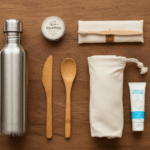
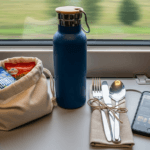
- Reusable silicone bags (not cloth—they get greasy)
- One large glass jar with wide mouth (fits cookies without crumbling)
- Metal lunch containers with dividers (keeps crackers separate from fruit)
The trick: Don’t announce it. Pack the same snacks they love—goldfish, apple slices, granola bars. When they ask about the “weird containers,” say:
“We’re trying something this trip. If you hate it, we’ll go back to the old way.”
No lecture. No ocean plastic stats. You’re giving them permission to complain, which makes them less likely to.
Week 1 Trap: Glass jar cracks in backpack from being packed next to hard objects → sticky mess → kids lose trust in the system.
Fix: Wrap jar in a dish towel before packing. Place it in cooler’s center, surrounded by soft items. Test at home: shake your packed bag—if you hear glass clinking, repack.
Reality Check: This adds 2 lbs to your pack and 10 minutes to meal prep (transferring snacks from bulk bags to containers). Use a hiking backpack with padded compartments, not a tote.
Week 2: Introduce the “Nature Toolkit” Activity
Now that snacks aren’t a battle, add one structured activity that replaces a wasteful one.
The Texture Hunt:
- Give each kid a small cloth bag (old pillowcases work)
- Challenge: Collect 10 items in different categories (something smooth, something with a pattern, something that makes noise)
- Rule: Everything goes back to nature before bed
![Close-up of a child's hands holding a small canvas bag filled with pinecones, colorful leaves, and a smooth river stone]](https://www.koritips.com/wp-content/uploads/2025/12/image-26.png)
Why this works: Satisfies the collecting instinct without creating a bag of plastic trinkets. The “return to nature” rule teaches impermanence—they feel generous releasing their treasures, not deprived.
Week 2 Trap: Kids collect damp leaves/flowers that mold in cloth bag by day 3 → fermented grape smell → child refuses to touch bag again → you’re desperately looking for a plastic bag to avoid meltdown.
Fix: The Dry Test—if they can’t snap it cleanly with two fingers, it’s too wet to collect. Demo this before the hunt starts. For flowers: press them flat in a book that night, then photograph the next morning before releasing.
If another parent asks what you’re doing:
“We’re doing a texture hunt—like a scavenger hunt but they describe what they found. Keeps them busy for hours.”
Notice: You didn’t say “zero waste.” You said “keeps them busy.” That’s the language that gets other parents nodding.
Week 3: The Craft That Doesn’t End Up in the Trash
Most zero waste advice fails here: “Make nature art!” sounds great until you’re stuck with 14 stick sculptures that fall apart in the car. The solution is crafts with an endpoint built in.
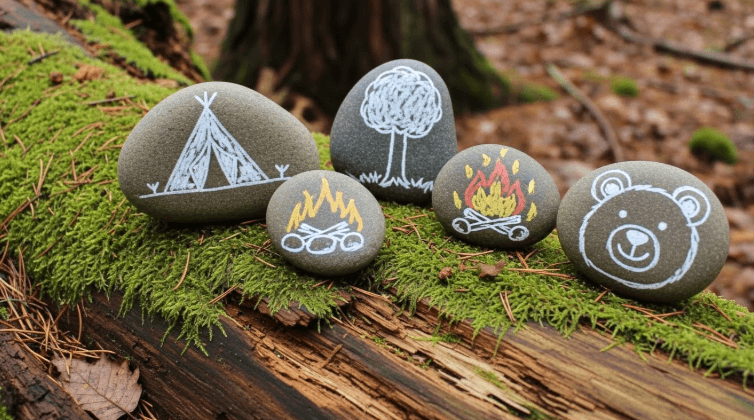
Campfire Story Stones (30-minute activity):
- Each kid finds 5 smooth rocks from the riverbank
- Use chalk markers (NOT permanent—they wash off in rain) to draw simple pictures: tent, tree, campfire, bear, moon
- At night: Everyone pulls a rock from a bag and adds one sentence to a group story
- Before leaving: Rocks go back to river. Story lives in a photo you text to the group
Week 3 Trap: Kid uses permanent marker by mistake → sees their art won’t wash off → feels guilty about “littering art” → refuses future crafts.
Fix: Buy chalk markers in a different color than any permanent markers you own (e.g., only buy white/pastel chalk markers). Do a water test before the trip: draw on a rock, spray with water bottle, wipe with cloth. If it doesn’t erase completely in 10 seconds, don’t bring that marker.
Reality Check: You’ll forget to photograph the story 40% of the time. That’s fine. The rock in their pocket three months later—still there, still weird, still theirs—is the proof the wrapper never could’ve given.
Preventing the “This Sucks” Meltdown
What derails zero waste camping: the moment your kid realizes they can’t have the thing everyone else has. Another family breaks out individually wrapped Capri Suns. Your kid has a metal bottle. Cue the tragedy.
What NOT to say: “Those are bad for the planet.”
What TO say:
“You’re right, those look fun. Want to pick a special drink for next trip? We can make it together.”
You’re validating the feeling, not the product. Next week, make lemonade in a glass bottle together. They design a label with stickers. Suddenly, they’re the kid with the fancy drink.
The Social Barrier: When Other Parents Think You’re Judging Them
The real minefield: You show up with beeswax wraps and suddenly you’re that parent. Your choices make people defensive, even when you say nothing.
Preemptive script for the first campout:
“We’re trying out some new containers this trip—total experiment. I’ll probably be asking to borrow your trash bag by Saturday.”
Self-deprecating humor disarms tension. You’re not the eco-warrior. You’re the parent who might fail.
If someone asks why you’re “doing all this:”
“Honestly? Started because I was tired of cleaning melted wrappers out of the car. This just worked better for us.”
You made it about convenience, not morality. Most people don’t care about your values until they see a personal benefit.

Week 4: The Activity That Bonds Instead of Divides
Time to make it social so it’s not “your weird family thing.”
The 45-Minute Challenge:
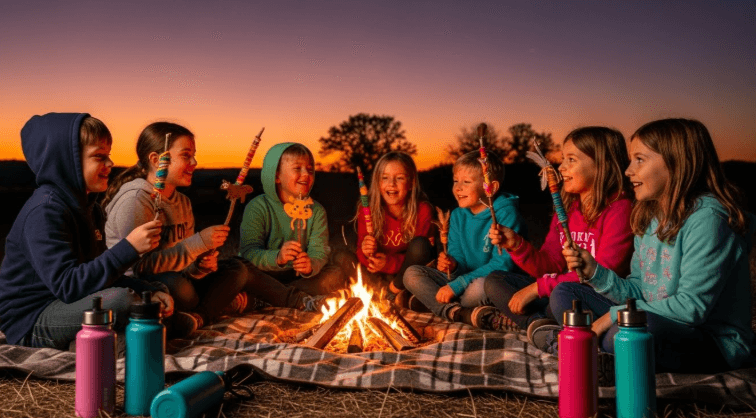
- Before dinner, announce: “We’re building the tallest stick tower using only found materials. No tape, no trash. Timer starts now.”
- All kids (and willing adults) team up
- Set phone timer for 45 minutes
- Prize: Winning team gets first dibs on marshmallow roasting spots
Why this works: It’s temporary (not a lifestyle lecture), competitive (kids love beating adults), and the prize is consumable (no plastic trophy). Other parents can’t object to trying for 45 minutes.
What to say when proposing:
“Want to try something funny? Let’s see if the kids can build something without raiding our supply bin. Losers do dishes.”
You framed it as a game, not a lecture. That’s the difference between participation and side-eye.
The Sensory Details That Make It Real
Here’s what zero waste camping actually feels like:
- Heavy: Glass jars add 3 lbs to your pack. Pack them in cooler’s center so they don’t shift and crack.
- Wet: Cloth napkins stay damp in humid weather. Bring twice as many, or accept day-three crunchy bandanas.
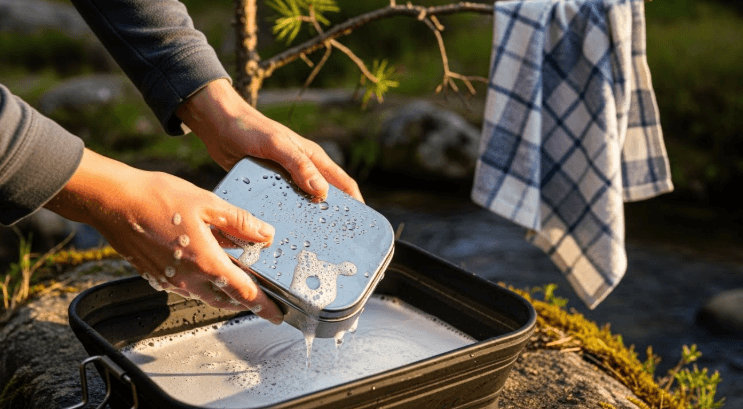
- Smelly: Reusable containers trap food odors. Wash with baking soda at night or everything tastes like yesterday’s tuna.
- Exposed: Without wrappers, food dries out in 4 hours. Dampen a cloth napkin and drape it over cut fruit in open containers.
Reality Check: This adds 15 minutes to bedtime routine (washing/drying containers) and you’ll do laundry twice as often. These are the reasons people quit—not lack of caring, but soggy fabric and heavy jars feel like failure when you’re exhausted on day two.
When It Clicks
You’ll know it’s working when your kid does something without being asked. Maybe they pocket a cool leaf instead of begging for a gift shop magnet. Maybe they offer their water bottle to a friend instead of grabbing a disposable cup.
It won’t be dramatic. It’ll be quiet. Unremarkable.
Zero waste camping isn’t about perfection. It’s about showing kids that fun doesn’t require a wrapper—and proving it to yourself. The awkwardness fades. The habits stick.
Start next trip with just the snack containers. One small thing. The rest follows.