You want to refuse the plastic bag, but the cashier is already scanning. You want to bring your own container, but you’re terrified the server will think you’re weird. Other cultures do this effortlessly—so why does it feel so cringey when you try?
The embarrassment is real. We’ve been conditioned to equate convenience with politeness. But around the world, millions navigate zero waste without the same social anxiety—because their systems, traditions, and scripts are already built in. Let’s steal their exact words, timelines, and workarounds.

The Social Barrier: Why It Feels Harder Here
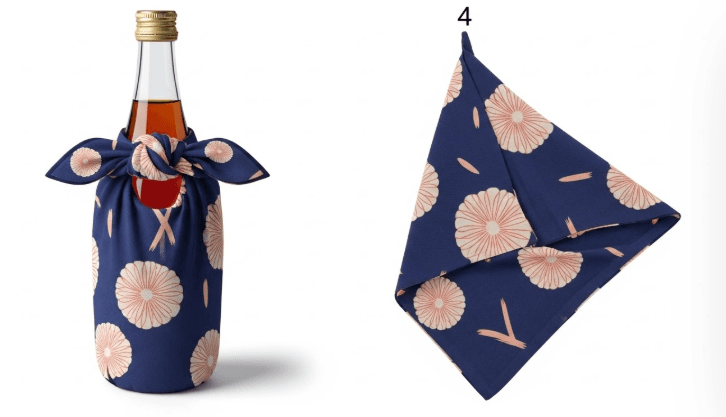
In Japan, bringing your own furoshiki (a reusable cloth wrap) isn’t quirky—it’s elegant. In India, the dabbawala system delivers thousands of lunches daily in returnable metal tins—a 125-year-old practice that eliminates takeout waste entirely. Europe, showing up to the bakery without a bag is just normal.
The difference? These cultures have normalized scripts—phrases and rituals that make zero waste the default, not the exception.
In the US, we’re working against a system designed for disposability. Asking for no straw feels like you’re creating extra work. Bringing your own container feels like you’re accusing the restaurant of being unclean. The gesture becomes about you, not the waste. That’s the cringe.
You’re not asking for a favor. You’re stating a preference. The key is sounding certain, not apologetic. Having the right words changes everything.
What to Actually Say (The Scripts You Need)
These lines are borrowed from cultures where refusal is polite—and adapted for American contexts. Memorize one. Use it this week.
At the coffee shop:
“I brought my own cup—can you fill this instead? I’ll wait while you rinse it if needed.”
(Acknowledge their hesitation, offer a fix.)At the grocery store:
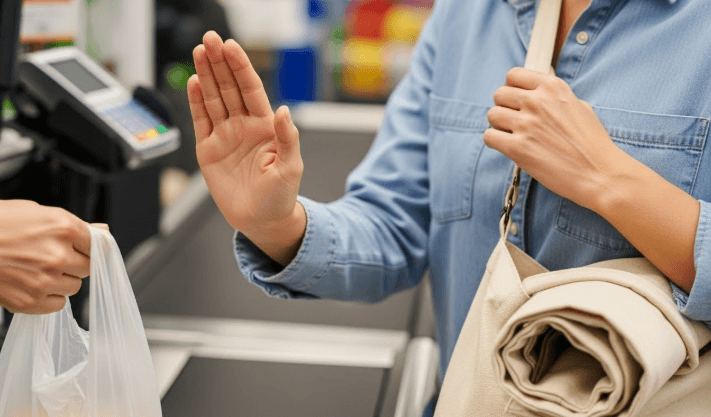
“No bag needed, thanks—I’ve got it covered.”
(Say it while already holding your reusable bag. Confidence = compliance.)At a restaurant (takeout):
“I brought my own container—would you mind plating it directly in this? I’m trying to cut back on trash.”
(“Cut back” sounds less preachy than “save the planet.”)When someone offers plastic utensils:
“I’m good—I’ve got my own, but thanks!”
(Upbeat tone = not a criticism of them.)
Notice the pattern? You’re not explaining your life philosophy. You’re stating a preference, offering a workaround, and moving on.
The 4-Week Roadmap (Steal from the Cultures That Do This Best)
Don’t overhaul everything at once. Build the habit like zero-waste-forward cultures do—one small system at a time.
Week 1: The Indian “Tiffin” Approach (Lunch Containers)
What to do: Pack your lunch in a reusable container every day. No exceptions. The tiffin system works because it’s non-negotiable—the container leaves, gets filled, returns. Make it a closed loop.
The sensory reality: Your container will smell like yesterday’s curry. Rinse it immediately after eating (don’t wait until you get home). Keep a small bottle of dish soap in your bag.
Failure point: You’ll forget it on the counter. Fix: Set your car keys inside the container the night before.
Week 2: The Japanese “Furoshiki” Method (Cloth Wraps)
What to do: Replace one disposable habit with a cloth wrap. Carry produce in a furoshiki instead of plastic bags. Wrap a gift in fabric instead of paper.
The sensory reality: Furoshiki feels fiddly at first. Watch one 90-second YouTube tutorial. Practice the basic knot three times. It becomes muscle memory.
Failure point: You’ll feel pretentious using it in public. Counter-script: “My grandma taught me this trick—it’s easier than it looks.” (Even if she didn’t. You’re giving people permission to ask, not judge.)
Week 3: The European “Bring Your Own” Culture (Coffee & Groceries)
What to do: In Germany and France, bringing your own bag/cup is so standard that not doing it is the weird choice. Commit to using your reusable mug for every coffee run this week.
The sensory reality: Your mug will get grimy in your bag. Buy a collapsible silicone one with a leak-proof lid. Wash it nightly like you wash your face—it’s part of the routine now.
Failure point: The barista will look confused. Use the script: “Can you fill this? I’ll wait while you check with your manager if needed.” Most chains allow it—they just don’t advertise it.
Week 4: The Latin American “Repair” Mindset (Fix Before Discarding)
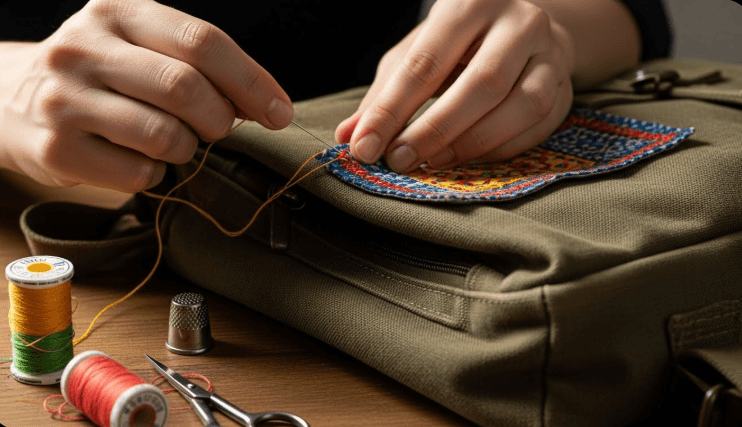
What to do: In many Latin American cultures, objects are repaired until they can’t be. Choose one broken item this week (a torn bag, a missing button, a scratched phone case) and fix it. YouTube the repair. Spend 15 minutes.
The sensory reality: Your hands will ache from threading a needle or tightening a screw. That discomfort is the point—you’re remembering that things have labor in them.
Failure point: You’ll want to buy a replacement because it’s faster. Counter-thought: “If I lived somewhere without next-day shipping, what would I do?” You’d fix it.
The Real Lesson: Shift Your Baseline
These cultures don’t shame each other for using plastic occasionally. In Japan, single-use packaging still exists—but the cultural default is reuse, not disposability.
You’re not trying to become a zero-waste monk. Your goal? Make reuse your default, not your exception. Start with one script this week. The cringe fades when the habit becomes automatic.